
Transforming Waste: The Benefits of Tyre Recycling
Tyres are an essential part of our daily lives, providing safety and performance for vehicles. However, once they reach the end of their life cycle, they become a significant environmental challenge. With millions of tyres discarded every year, the need for effective recycling methods has never been more pressing. Tyre recycling not only helps reduce waste but also offers numerous benefits for the environment, economy, and society. In this blog post, we will explore the various advantages of tyre recycling and how it contributes to a sustainable future.
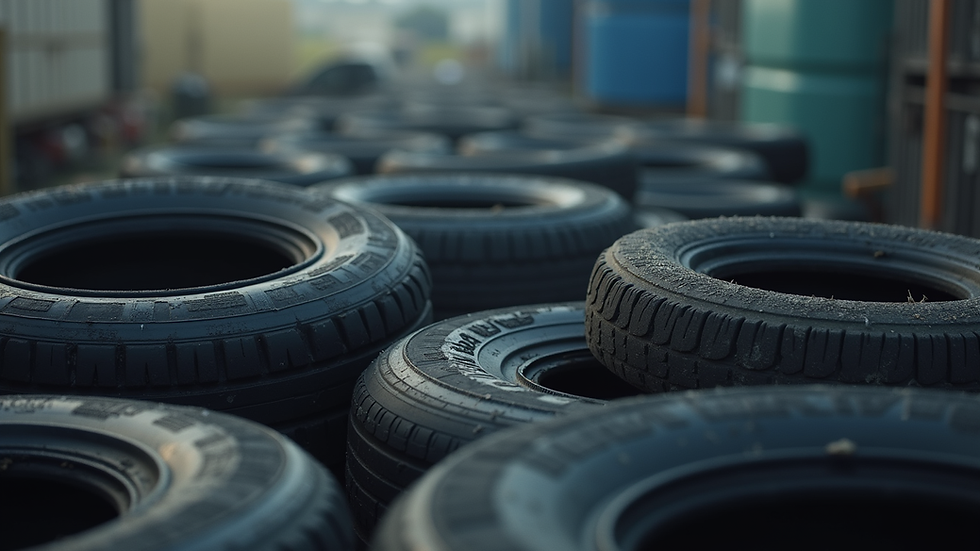
Understanding Tyre Waste
The Scale of the Problem
Every year, approximately 1.5 billion tyres are discarded globally. This staggering number highlights the urgent need for effective waste management strategies. When tyres are not recycled, they often end up in landfills, where they can take up to 1,000 years to decompose. This not only contributes to land pollution but also poses risks to human health and the environment.
Environmental Impact
Tyres are made from a complex mixture of materials, including rubber, steel, and fabric. When they are improperly disposed of, they can release harmful chemicals into the soil and groundwater. Additionally, tyres can become breeding grounds for pests and contribute to the spread of diseases. By recycling tyres, we can mitigate these environmental risks and promote a healthier planet.
The Benefits of Tyre Recycling
Reducing Landfill Waste
One of the most significant benefits of tyre recycling is the reduction of landfill waste. By recycling tyres, we can divert millions of tonnes of waste from landfills each year. This not only conserves valuable land resources but also reduces the need for new landfill sites, which can be costly and environmentally damaging.
Resource Recovery
Tyre recycling allows for the recovery of valuable materials that can be reused in various applications. The rubber from recycled tyres can be transformed into products such as:
Rubber mulch for landscaping
Playground surfaces for safety
Asphalt for road construction
Fuel for energy generation
By recovering these materials, we can reduce the demand for virgin resources and promote a circular economy.
Economic Benefits
The tyre recycling industry also presents significant economic opportunities. It creates jobs in collection, processing, and manufacturing sectors. According to a report by the European Tyre Recycling Association, the tyre recycling industry employs over 10,000 people in Europe alone. Additionally, recycling tyres can lead to cost savings for businesses and municipalities by reducing waste disposal fees and generating revenue from recycled materials.
Energy Conservation
Recycling tyres can also lead to substantial energy savings. The process of recycling tyres requires less energy compared to producing new rubber from raw materials. For instance, producing new rubber from recycled tyres can save up to 80% of the energy required to create rubber from virgin materials. This not only reduces greenhouse gas emissions but also helps combat climate change.
Innovation in Recycling Technologies
Advancements in recycling technologies have made tyre recycling more efficient and effective. New methods, such as cryogenic grinding, allow for the production of high-quality rubber powder from tyres. This powder can be used in various applications, including automotive parts, adhesives, and sealants. As technology continues to evolve, the potential for tyre recycling will only increase.
Challenges in Tyre Recycling
Collection and Transportation
Despite the numerous benefits, tyre recycling faces challenges, particularly in the collection and transportation of used tyres. Many consumers are unaware of recycling options, leading to improper disposal. Additionally, transporting tyres to recycling facilities can be costly and logistically challenging.
Quality Control
Maintaining the quality of recycled materials is crucial for their successful reuse. Contaminants such as dirt, oil, and other substances can affect the quality of recycled rubber. Implementing strict quality control measures during the recycling process is essential to ensure that the end products meet industry standards.
Regulatory Framework
The tyre recycling industry is also influenced by regulatory frameworks that vary by region. In some areas, there may be insufficient regulations to encourage recycling, while in others, overly strict regulations can hinder innovation and growth. A balanced regulatory approach is necessary to support the tyre recycling industry while ensuring environmental protection.
How to Get Involved in Tyre Recycling
Educate Yourself and Others
One of the most effective ways to promote tyre recycling is through education. By understanding the benefits and processes involved, individuals can make informed decisions about tyre disposal. Share this knowledge with friends, family, and your community to raise awareness about the importance of tyre recycling.
Choose Recycled Products
When purchasing products made from recycled materials, you support the tyre recycling industry and encourage manufacturers to use sustainable practices. Look for items such as rubber mulch, playground surfaces, and other products made from recycled tyres.
Advocate for Local Recycling Programs
Support local initiatives that promote tyre recycling. This can include advocating for better collection systems, participating in community clean-up events, or even starting a tyre recycling program in your area. Engaging with local government and businesses can help create a more robust recycling infrastructure.
Dispose of Tyres Responsibly
When it comes time to replace your tyres, ensure that you dispose of them responsibly. Many tyre retailers offer recycling services, and some municipalities have designated drop-off locations for used tyres. By choosing to recycle your tyres, you contribute to a more sustainable future.
The Future of Tyre Recycling
As the world continues to grapple with environmental challenges, the importance of tyre recycling will only grow. Innovations in recycling technologies, increased public awareness, and supportive regulations will play a crucial role in shaping the future of this industry. By embracing tyre recycling, we can transform waste into valuable resources, reduce environmental impact, and create a more sustainable economy.
Conclusion
Tyre recycling is not just a solution to a waste problem; it is an opportunity to create a more sustainable future. By reducing landfill waste, conserving resources, and promoting economic growth, tyre recycling offers numerous benefits for our planet and society. As individuals, we can all play a part in this transformation by educating ourselves, supporting recycling initiatives, and making responsible choices. Together, we can turn waste into valuable resources and pave the way for a greener tomorrow.
Comments